
It is impossible to discuss beer for too long without someone delving into its history. Beer enthusiasts and puri sts (and myself) love to mention that beer is one of the world’s oldest beverages, with writings that reflect recipes and production dating back to the 6th millennium BC. Ancient civilizations such as the Sumerians reference beer, as do ancient Egyptian and Chinese writings. Here in America, history and the production of beer began with the Virginia colonists, primarily due to beer’s ability to withstand spoilage from the long overseas journeys from England, and was soon entrenched into the daily life of settlements in the form of home brewing. Eventually, early breweries began forming in what was then New Amsterdam (Manhattan), and then in Boston, and by the late 1700’s Philadelphia was brewing more beer than any other seaport in the country. But maybe just as interesting as the “wheres” and “hows” of early beer making in America are some of the first enthusiasts of the beer being made here. They include, well, vaguely recognizable names such as George Washington, Ben Franklin, and Thomas Jefferson. Maybe it’s not as surprising as it first seems. After all, if you were sitting around all day debating and deliberating the future of a nation, wouldn’t you need a beer?
Here’s a chance to feel the same as those guys, even if you’re not leading a revolution. Every once in a while, a brewery takes a stab at a historical beer series, brewing beer based upon historically significant recipes. Yards Brewing in Philadelphia recently produced three ales based upon recipes thought to be favored by Washington, Jefferson, and Franklin under their “Ales of The Revolution” series, and all three are worth trying, if only for curiosity’s and historical sake.
It’s been written that Ben Franklin wasn’t incredibly keen on beer early in life, but that it eventually grew on him. When he did come around, apparently, he favored ales spiced with items such as pumpkin and spruce essence. Yes, spruce essence. And most, if not all beer, had molasses at the time as well. Wait, before you say “Spruce? Really?” and tune completely out, these ingredients had their purpose back then, and are at the least, refreshing now. Pumpkin and spruce were common flavoring ingredients, and molasses was used perhaps instead of barley as an adjunct sweetening presence due to its high availability and the difficulty of importing malted barley from Britain. The Yards nod to this kind of beer is their Poor Richard’s Tavern Spruce Ale, and although I’m not sure I would stock up on it, I enjoyed this. There is a nice, refreshing aroma from the spruce, and of course there is a recognizable flavor from it as well, but the molasses is what comes through the most. Rich and fairly sweet, somewhat earthy with a good, full body, it definitely is worth a try at the least.
A second in the series is George Washington’s Tavern Porter. Said to be an enormous fan of English Porters, he eventually took a solid patriotic stand on only “Buying American” products and began purchasing porters made in Philadelphia and shipped to Mount Vernon. Again, molasses is used and I thought could be slightly detected in the taste. It adds to a cocoa like flavor, common in porters, and overall is a warming, rich tasting beer without any of these elements being overpowering or too bitter.
The third is Thomas Jefferson’s Tavern Ale, a Strong Golden Ale. Although the Yards website mentions that it is based upon “Jefferson’s original recipe”, I could not find much research at all on any particular recipe Jefferson and his brewer at Monticello concocted. Nevertheless, the Yards beer is very tasty. Beeradvocate.com defines Strong Golden Ales as possibly complex, and having a bold fruity, estery, and malty mix of flavors. The somewhat high level of alcohol can be also easily detected. This one has all of these characteristics – while not overpowering, the Jefferson Tavern Ale is strong of flavor, and is malty sweet, with a forward taste mix of pungent fruit, powdery yeast flavor, and the alcohol is definitely right up front. It all makes for a solid sipping beer. And yes, this is exactly how I enjoyed it, sitting outside on a cool evening.
There are all kinds of historically based beer recipes out there to try. Breweries are often reaching far into the past for a muse to direct them down a new and interesting path. (See Dogfish Head Brewing’s Midas Touch, for one.) With beer’s long history and creative breweries such as Yards, they at the very least make for interesting and fun tastings, and at the most make for good beer. These three fit all of the above. Whether or not Franklin actually uttered the famous line “Beer is proof that God loves us and wants us to be happy”, these beers help convince me the quote is always true nonetheless.


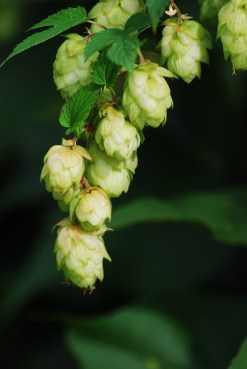 Warm weather seems to be finally getting here, something that I’m always excited and incredibly grateful for. Included in the countless benefits of spring and summer are the ability to drive comfortably with the windows down, and being able to go to work in the morning without shivering. Let us not forget the simple pleasure of soaking in the warmth of the sun while doing most anything outside. Ok, add to that last one…with a good beer. No…seriously! Truly, what’s better than to finally, FINALLY, be able to sit outside comfortably, even late into the evening after a long day, with a favorite beer? Personally, I believe that any of one’s preferred beers will do while feeling the sun or enjoying the evening’s clear, starry sky. But there are some beer styles which traditionally gain popularity and perhaps are more suited to warmer weather – fruit beers, wheat beers, generally lighter weight beers than those I enjoyed back in the chill of winter come to mind. One is the widely available India Pale Ale, or IPA, and although available year round, IPAs seem to always get a mention in warm weather beer discussions. What began as a variation of the English Pale Ale and has an interesting history and timeline dating at least back to the early 1800’s is now one of the most popular beer styles today. It also may occasionally seem as if IPA’s have devised a plan for world domination, or at least to dominate every shelf in your favorite beer store. Simply put, there are bunches of them out there. This is not necessarily a bad thing, unless perhaps you’ve never tasted a good IPA, because that first taste may be just a bit surprising.


 The Beer Road